Biomimicry
& Design
Observe. Extract. Translate. Apply.
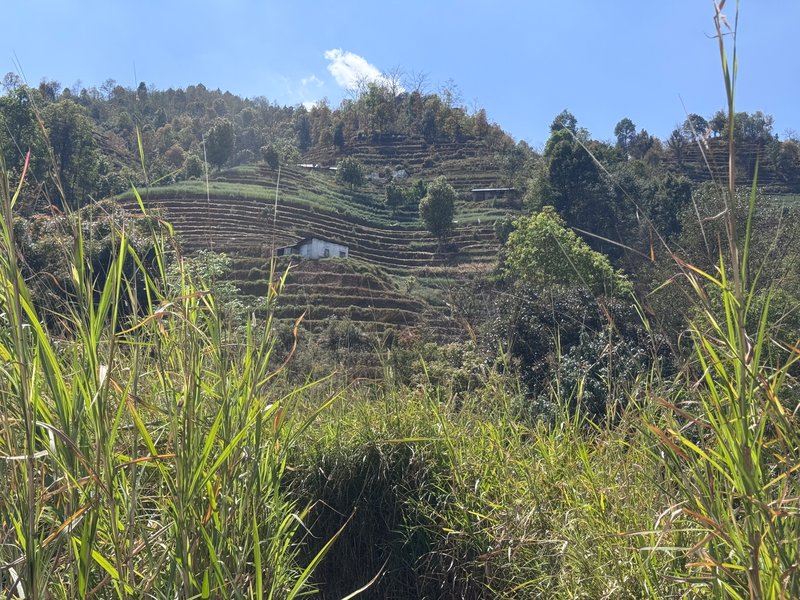
The best design solutions already exist. They are running in forests, agricultural terraces, and river systems. This program is about learning to find them.
It is a design-focused, field-based learning experience that uses real-world systems as a foundation for developing new approaches to design and problem-solving.
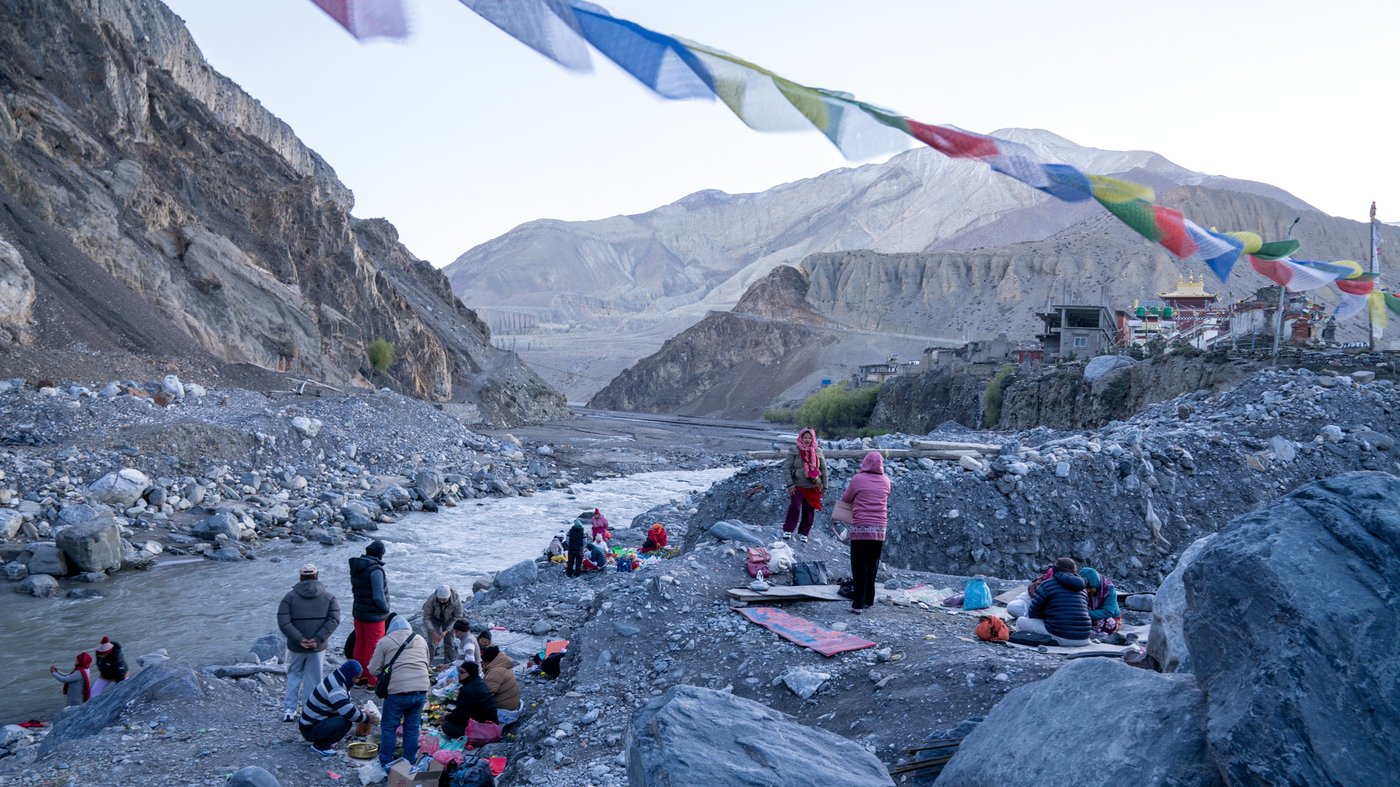
In Nepal, forests, agricultural landscapes, and communities operate as interconnected systems. Students engage directly with these environments to understand how systems function, adapt, and sustain themselves over time—then translate those principles into design concepts and interventions.
The goal is not to document these systems. It is to analyze them.
Urban systems orientation. Introduction to biomimicry as a design methodology. Initial pattern observation exercises in a complex human-ecological environment.
Agricultural systems, community forest management, and soil ecology. Deep observation of adaptive strategies in managed and semi-wild landscapes.
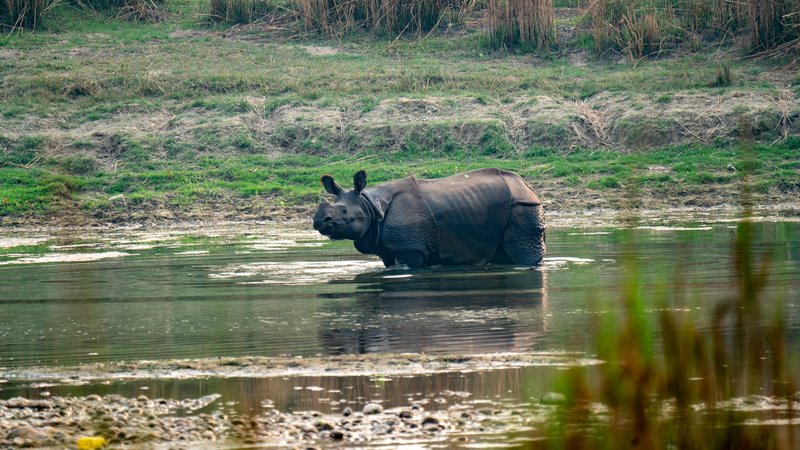
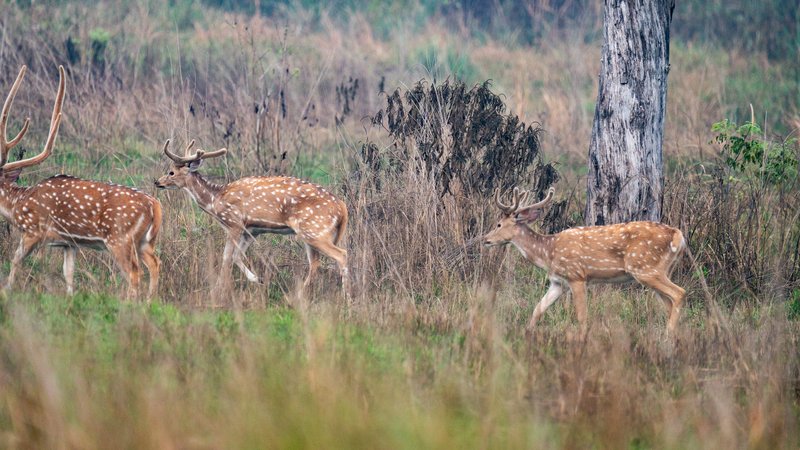
Wild ecosystem dynamics. Biodiversity, resource cycles, and large-scale system relationships. Translation of field observations into design principles.
Observe. Extract.
Translate. Apply.
Biomimicry is a design discipline grounded in the study of natural systems. This program operationalizes that discipline in the field, moving students through a structured process from observation to application.
Each stage builds on the last. Field observation generates raw data. Pattern recognition distills that data into principles. Translation converts those principles into design language. Application produces tangible concepts, proposals, or prototypes.
“This is not about applying ideas to nature. It is about extracting principles from nature and building with them.”
Stage 01
Observe
Sustained, structured observation of living systems in real environments. Field journaling, sketching, and systems mapping.
Stage 02
Extract
Identify patterns, relationships, and adaptive strategies. Isolate principles that function across scales and contexts.
Stage 03
Abstract
Convert biological strategies into transferable design principles. Strip context; retain function.
Stage 04
Translate & Apply
Develop design concepts, proposals, or prototypes grounded in extracted principles. Produce work that demonstrates the application.
What You Will Produce
Students produce design work—not narrative projects. Outputs are analytical, speculative, or applied, and demonstrate a clear relationship between observed natural systems and design response.
Diagrams of observed ecological and social systems
Biomimetic design proposals grounded in field research
Material, process, or speculative design experiments
Pattern analysis and principle extraction documentation
“Nature has already solved many of the problems we are grappling with. The work is to learn how to ask the right questions.”
Program Details
14 Days
~10 Students
$6,000–$6,400
Includes international airfare
Included
- International airfare
- All accommodation
- All meals
- In-country transportation
- Local guides & field facilitators
- All field sessions & site visits
- Basic travel medical & evacuation insurance
Not Included
- Visa fees
- Vaccinations & travel clinic
- Personal gear & equipment
- Personal expenses
- Optional upgraded insurance
Program Leadership

Jennifer L. Berglund
Design Direction & Systems FramingNational Geographic Explorer with extensive field experience across ecological and cultural systems. Jennifer guides the translation process—from observation to design application—throughout the program.

Manoj Gautam
Field Systems & Community KnowledgeNepal-based conservation practitioner with deep expertise in ecological systems and community-based land management. Manoj provides the field context and systems knowledge that grounds the design work.
Interested in this program?
Spots are limited to ~10 students. This program is designed for designers, architects, engineers, and systems thinkers who want to ground their practice in direct field research.
Get in Touch Download Program PDF